
Why 2025 was the year of one of Nintendo’s best villains
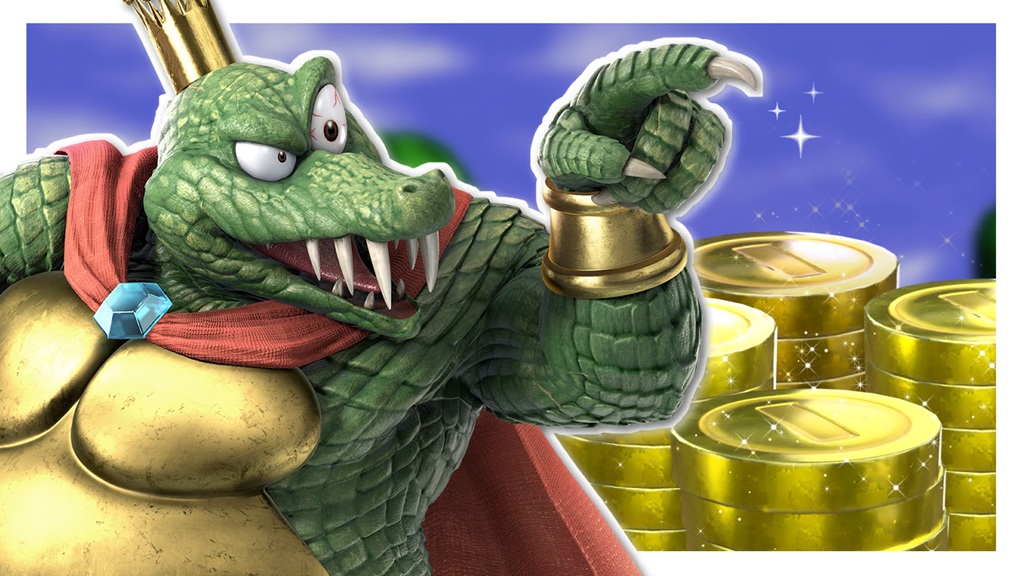
2025 was a big year for Nintendo in many ways, but it was also arguably the biggest year yet for King K. Rool, one of the company’s most beloved villains. You could argue that 2018 was the king’s best year, given the announcement of his inclusion in Super Smash Bros. Ultimate as a new fighter. 2025 was at least a close second, then – thanks to King K. Rool’s appearances in games and even on the Nintendo Today app, it seems his future could be brighter than ever. Note that there will be spoilers in this post.
King K. Rool’s early history
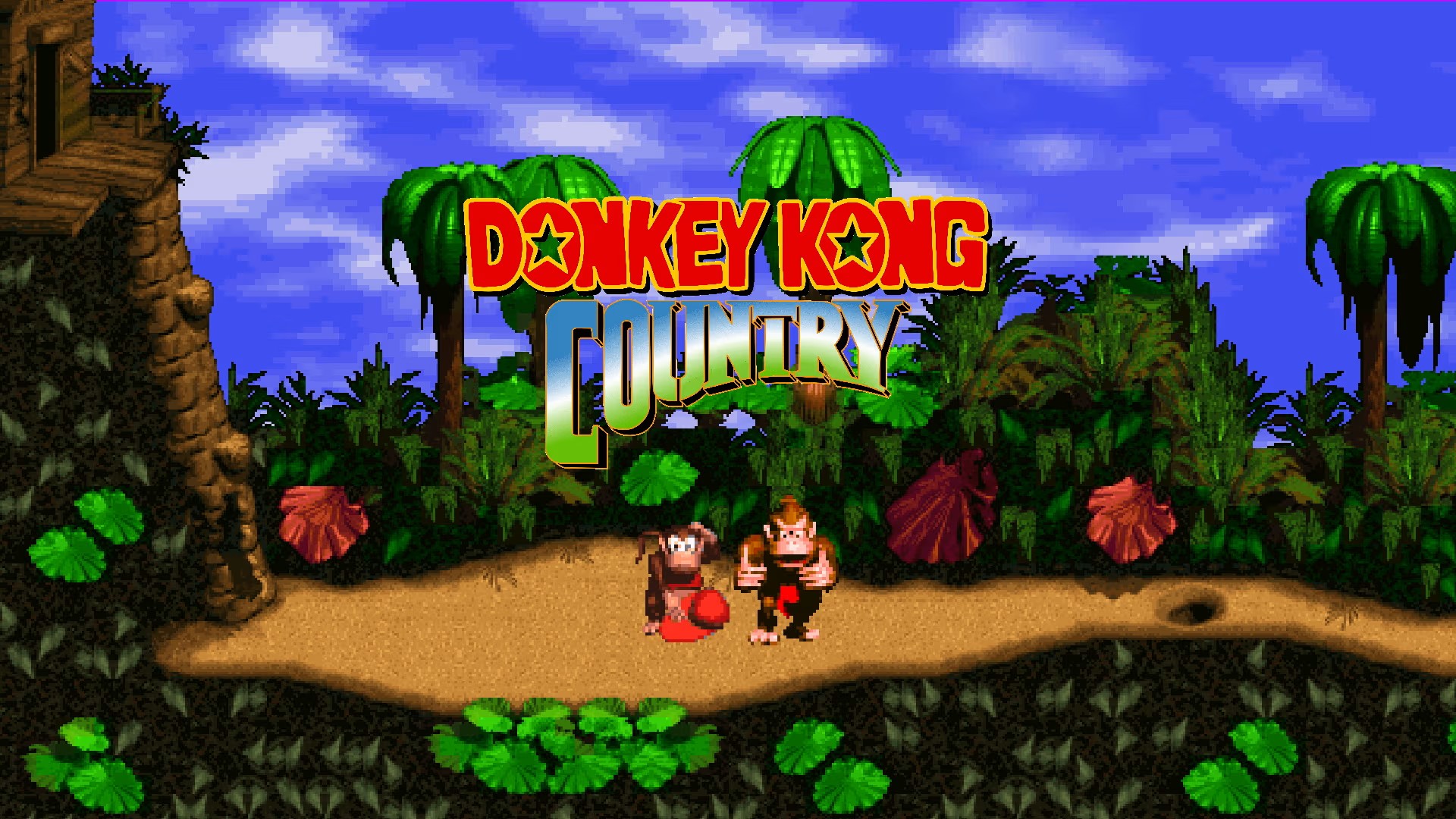
King K. Rool first appeared as Donkey Kong’s nemesis in the original Donkey Kong Country on the SNES. There, he serves as the final boss of the game, and his battle introduces many of K. Rool’s signature attacks – most notably, his Crownerang, as well as playing dead and feigning defeat. King K. Rool appears again as the final bosses of Donkey Kong Country 2 and 3, but under different names – he calls himself Kaptain K. Rool in the second game, and uses his signature Blunderbuss to attack. In the third game, he now goes by Baron K. Roolenstein, where he uses a helicopter pack and a remote that controls electricity. Finally, King K. Rool also serves as the final boss of Donkey Kong 64, in which all five Kongs battle him in their own dedicated phases. By this point, K. Rool was well-established as DK’s arch-enemy. But from this point on, K. Rool pretty much stopped appearing in mainline Donkey Kong games and was sidelined to spin-offs.
Of course, King K. Rool appears once more in all three Donkey Kong Land games, as well as in the Game Boy Advance remakes of the Country games. He went on to appear in DK: King of Swing, DK: Jungle Climber, and Donkey Kong: Barrel Blast, and even appeared as a playable character in Mario Super Sluggers. But after that, King K. Rool disappeared from public eye for quite some time. He was absent for almost ten years, in fact – from 2008 to 2018, King K. Rool stopped appearing in games. Donkey Kong Country Returns and Donkey Kong Country: Tropical Freeze both came and went, and neither K. Rool nor the Kremlings appeared in either game in any capacity.
That changed in late 2018, when King K. Rool was revealed for Super Smash Bros. Ultimate as a playable character. He’s not one of the strongest fighters in the game, but he’s one of my personal favorites to play as – his moveset feels reckless and snappy, which perfectly match his character. Not to mention, his attacks are all based on moves he uses in the Donkey Kong Country series. His jetpack, Blunderbuss, Crownerang, and even his boxing gloves from Donkey Kong 64 are all here. Many fans thought King K. Rool’s reveal for Smash and his subsequent popularity would cause Nintendo to put him in more games… but that turned out not to be the case after all.
The king’s revival
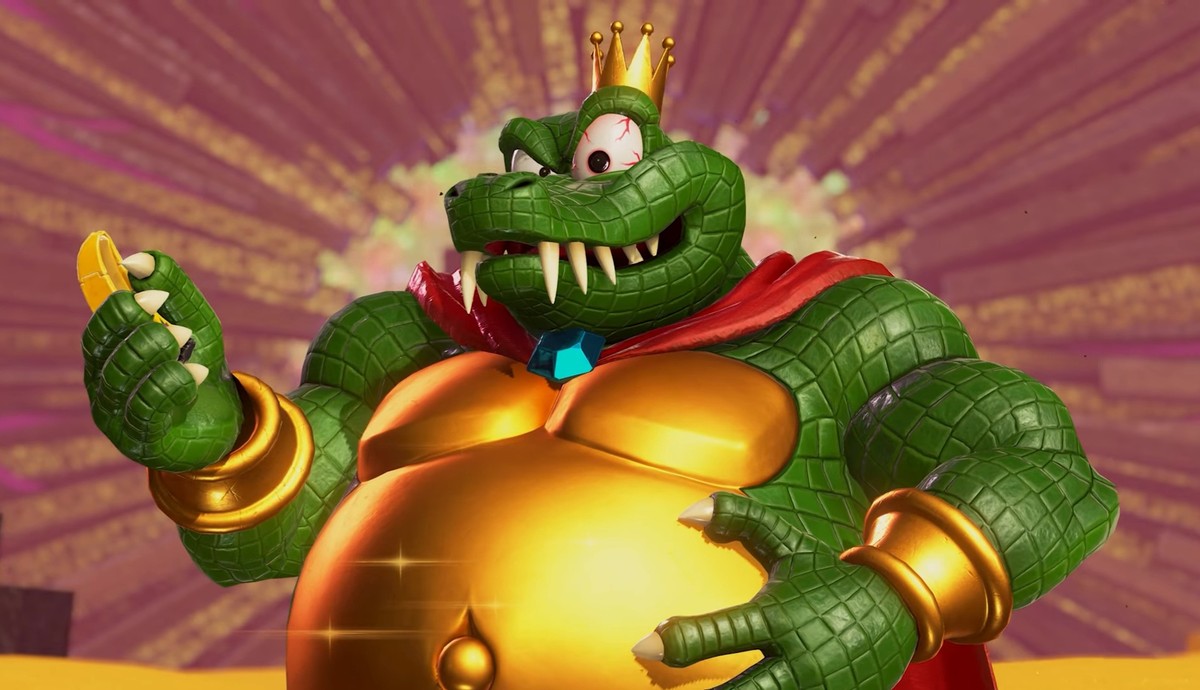
Another several years passed, and when Donkey Kong Bananza released in 2025, fans immediately wondered if King K. Rool would play a role in the game at all. The new villains seemed to be VoidCo, a new trio of Kongs who cause trouble in the Underground World. There were so many subtle hunts to K. Rool’s presence – many of the enemies are actually skeletal versions of Kremlings and other classic enemies from Donkey Kong Country. But fans didn’t want to get their hopes up too much, given that King K. Rool hadn’t appeared in a mainline DK game since Donkey Kong 64 over twenty years prior. At this point, Bananza has been out for six months, and King K. Rool’s presence is a very poorly-kept secret, as we’ll soon describe.
As it turns out, King K. Rool himself heard the legend of the Banandium Root and made his way to the center of the Earth long ago. Void Kong, who is also gunning for the Banandium Root, mistakenly assumes that King K. Rool (who has been unconscious ever since) is the root itself. Pauline’s singing wakes him up, and from this point on K. Rool takes over as Bananza’s main villain. And he does such a good job – the player encounters old enemies from Donkey Kong Country as well as plenty of Kremlings who all sport a revised design. King K. Rool uses the Banandium Root to transform himself, but is quickly defeated. DK and Pauline take the root for themselves and head for the surface, but K. Rool follows them with his jetpack. He eventually manages to steal the Banandium Root once again and take over New Donk City, which results in one of the most memorable Nintendo finales we’ve ever had.
Part of the reason King K. Rool is so likable is that he isn’t a carbon copy of Bowser. Bowser has very little in terms of morals, but he’ll eventually do the right thing if he absolutely has to. On top of that, Bowser’s minions all genuinely respect him. King K. Rool is different – he is morally reprehensible and will always make the worst choice for everyone. His minions actually fear his wrath, and don’t seem to have any respect for him in the way that Bowser’s minions do towards him. Bananza includes so many details that flesh out K. Rool’s personality – DK spends most of the game looking at things with silly, whimsical faces and just generally having a good time. But the second he spots K. Rool, that smile is wiped off his face because he knows how incredibly dangerous he is.
It’s important to note that a very small subset of fans think that this must somehow be the first time (in terms of chronological canon) that DK and K. Rool have met. However, that can’t be the case – talking to Diddy Kong and Dixie Kong in the Racing Layer shows that the events of all three Country games have already happened, which means that DK has already defeated him once and Dixie Kong has already defeated him twice. It’s interesting that Dixie Kong has technically defeated King K. Rool as many times as DK.
King K. Rool going forward
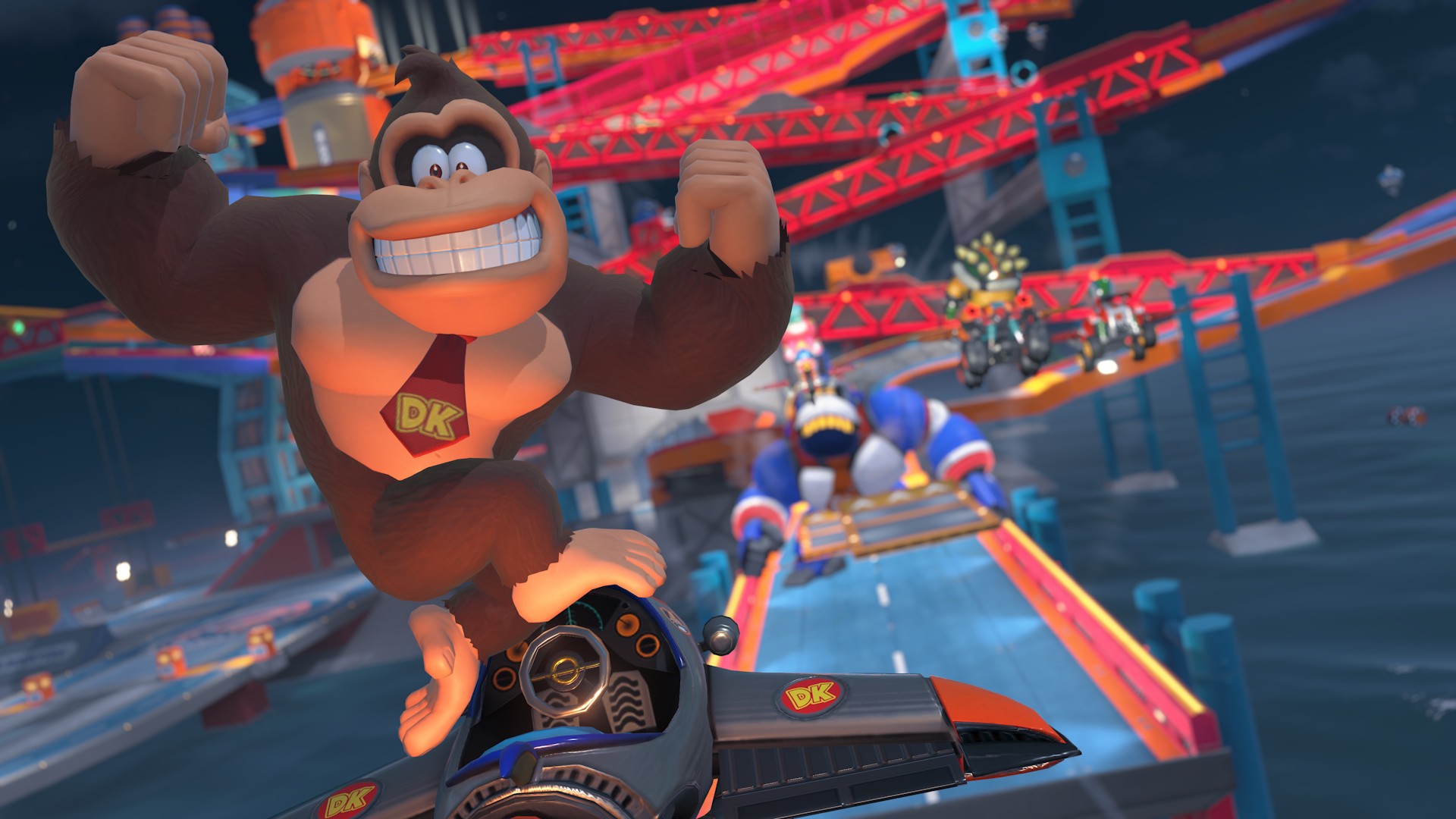
Given King K. Rool’s success in Donkey Kong Bananza as a simple-minded, but great and threatening villain, it’d be easy to say he should become a series mainstay. I actually don’t quite agree with that, though – as cool as it would have been to have K. Rool on board for Donkey Kong Country Returns or Tropical Freeze, those games are distinctly unique with their own sets of villains (even if the Tiki Tribe isn’t very interesting). The reason K. Rool did so well in Bananza is because he was gone for so long, so we should space out his appearances as a main antagonist to preserve his impact. Instead, Nintendo needs to bring King K. Rool back to Mario spin-offs. Put him in Mario Kart World. Put him in Mario Tennis Fever. That’s a good way to maintain his relevance without having him overstaying his welcome. While we’re at it, put Diddy Kong, Dixie Kong, Void Kong, and some Kremlings in those games too!
Earlier, we mentioned that King K. Rool’s inclusion in Donkey Kong Bananza is a poorly-kept secret. Indeed, starting on December 16, the Nintendo Today app can show King K. Rool in daily animations. This, to me, reads as though Nintendo is starting to accept him as a regular character in their lineup, and we really hope that remains the case. Donkey Kong characters have been criminally underused for a really long time, and if anything’s going to change that, it’s the success of Donkey Kong Bananza.
Would you like to see King K. Rool in more Nintendo games? How do you think they should utilize him in mainline DK games going forward? Let us know in the comments down below.


