
Yakuza Kiwami 3 & Dark Ties review for Nintendo Switch 2
System: Switch 2
Release date: February 12, 2026
Developer: RGG Studio
Publisher: SEGA
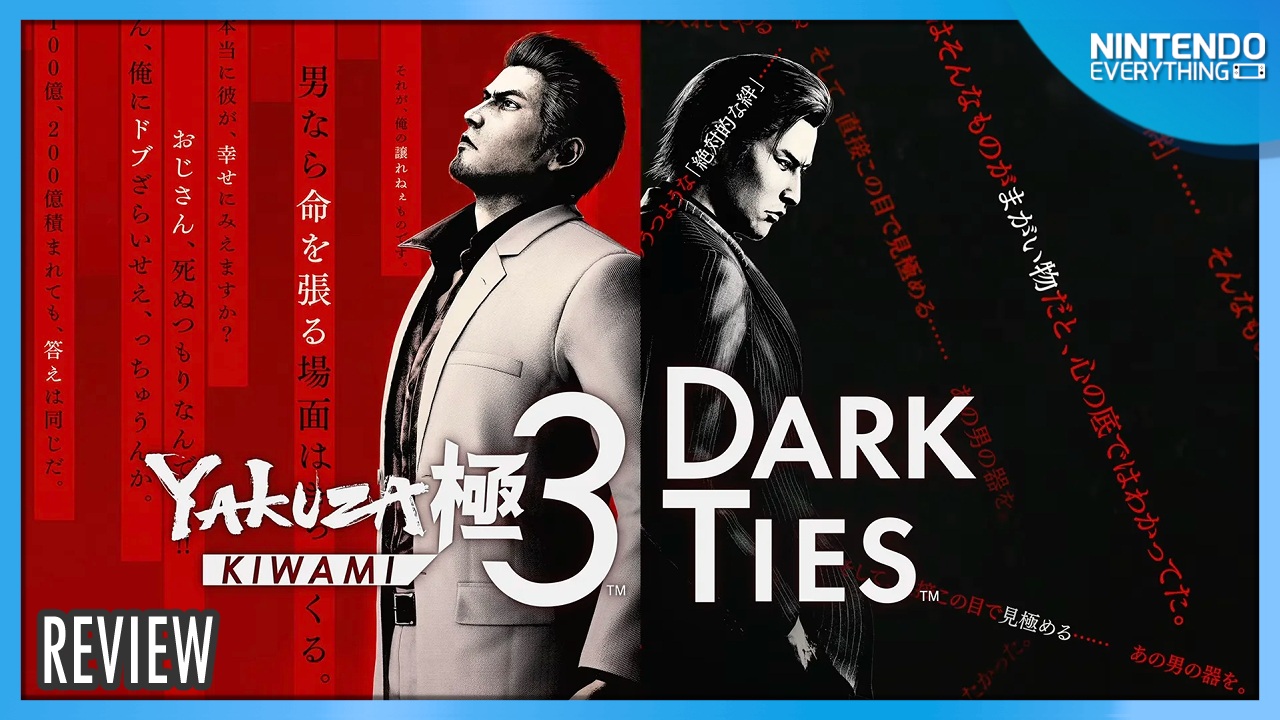
With Nintendo now a certified home for the Yakuza/Like A Dragon franchise following the releases of Yakuza 0 Director’s Cut, Kiwami and Kiwami 2, Switch 2 players get to experience a new adventure in the series day-and-date with other console users for the first time. This is thanks to RGG’s latest remake title Yakuza Kiwami 3 & Dark Ties, a shiny new version of the early PS3 title Yakuza 3 with a brand new campaign added onto the package. Seen as a bit of a black sheep in the franchise for taking a less action-focused story in favor of a slower, more character driven plot, for me personally it is my favorite entry. The reaction to the announcement of this remake was mixed to say the least, but I was super excited to play a cleaner, more polished version of a game I was already fond of. There’s quite a lot to unpack here, so let’s start with the plot.
Following the events of Yakuza 2, series protagonist Kazuma Kiryu has officially left the Tojo Clan in the capable but inexperienced hands of the new chairman Daigo Dojima. Wanting to start a new life following in the footsteps of his father figure Shintaro Kazama, Kiryu decides to take up the same position as Kazama before him and run an orphanage, out in sunny Okinawa far away from the Tokyo underworld. Before leaving the city lights, Kiryu asks the ever-entertaining Goro Majima to watch over young Daigo as he takes on running the Tojo after their war with the Osakan Omi Alliance. Together with Haruka Sawamura, ‘Uncle Kaz’ (as he’s affectionally known!) spends his days running the orphanage and caring for all the kids who live there, in front of beautiful blue skies and an Okinawan beachfront. Some time after settling in to island life, Kiryu finds himself mixed up with a local Ryukyu-based small time Yakuza family, who seek to claim the bill for the land Kiryu’s Morning Glory orphanage is situated on. Sadly for Kazzy, while he may be done with the Yakuza life, it unfortunately is not done with him.
Returning fans to Yakuza 3 will find the plot structure of Kiwami 3 is largely the same, but there may be a few twists and surprises to keep them on their toes. One of the biggest things I want to give credit to this version of the storyline is that very little is removed, but rather shifted around and some of the underdeveloped story elements and characters are expanded on. An immediate example is the appearance of Kaoru Sayama, a major player in Yakuza 2 who makes a brief appearance in the opening of Yakuza 3 to tell Kiryu she was leaving for America. The original scene was very quick, not voiced, and felt very abrupt and a horrid payoff for the relationship built between those characters in the previous title. Here, the characters share a longer scene, voiced, where both express their sadness at not getting to be together, but acknowledging that they both must follow their dreams and their goals. It still isn’t a long scene, but it goes from being a soulless scene to a bittersweet one, and that is an important distinction. Likewise, Majima’s right hand man Nishida makes an appearance, and in the original game it was no more than a cameo, but here he is fully voiced, has a sub-boss fight against Kiryu, and also gifts him an original version of Reversi/Othello he created himself called Dragon Reversi in the hopes that Kiryu can play it together with the orphanage kids. Sure enough, playing the kids in Dragon Reversi is an excellent way to build bonds with the children – but we’ll get to that in a bit. Point being, Sayama and Nishida’s appearances go from being empty to carrying weight, and this is something they’ve done for several characters in the game. It makes a difference.
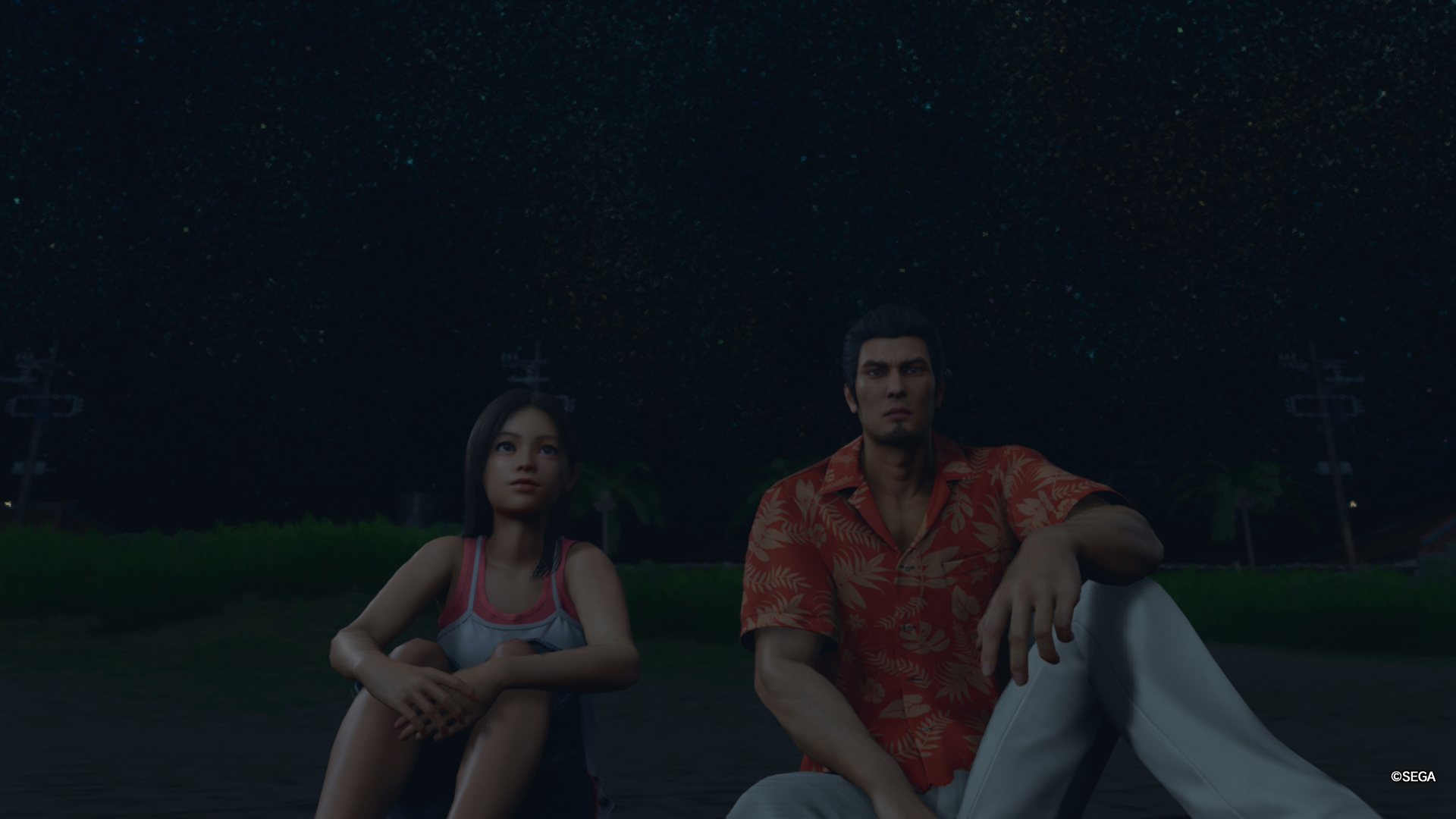
One of the criticisms of the original Yakuza 3 was that people felt there were pacing issues with the game as the previous titles focused on following Kiryu in the middle of criminal conspiracies with car chases, betrayals, and constant surprises. It was a slow burner, having the players experience Kiryu’s journey in fatherhood; helping Taichi with his wrestling, encouraging Ayako to keep her love of running at school after the other kids ask her for help and favors resulting in her sacrificing her own dreams for theirs, and Izumi’s struggles to understand why the family pet dog Mame won’t follow her commands. These plots were originally obligatory to the Yakuza 3 plot – the game would not progress without these stories, and some players felt it was a tad too dull and slow and a bit of a tonal shift from what the previous titles were doing. The director of the game points to the fact that Yakuza and Yakuza 2 were focusing on Kiryu the gangster operating in the criminal underworld; here, the focus is on Kazuma Kiryu the human being. His hopes, his dreams, his motivations. His desire to raise kids in an orphanage just like he was as a child, and to spend his time trying to give better lives to young people who have been met with misfortune.
This game adds a lot of depth to Kiryu as a character, not least due to the performance from his voice actor Takaya Kuroda, who has managed to change his performance of the character he’s been performing for twenty years to be more jovial, yet more warm, and still come off as the same intimidating dragon when the action kicks in. I hope people make note of his go around as Kiryu in this game especially because I feel it’s his best yet. All of this slow-burn fatherhood storyline has been altered, so that they are no longer mandatory and instead are incorporated into a new side-story mode focused on all the kids in the orphanage; Morning Glory. Alongside the stories listed above, the kids who didn’t get plots with Kiryu in the original title like Koji and Eri get a tale each, expanding their depth as characters by giving them more screentime where we learn more about them, their worries, things they like. These kids are very important to Kiryu, and it always felt like some of the kids were less memorable than others because they had less to do.
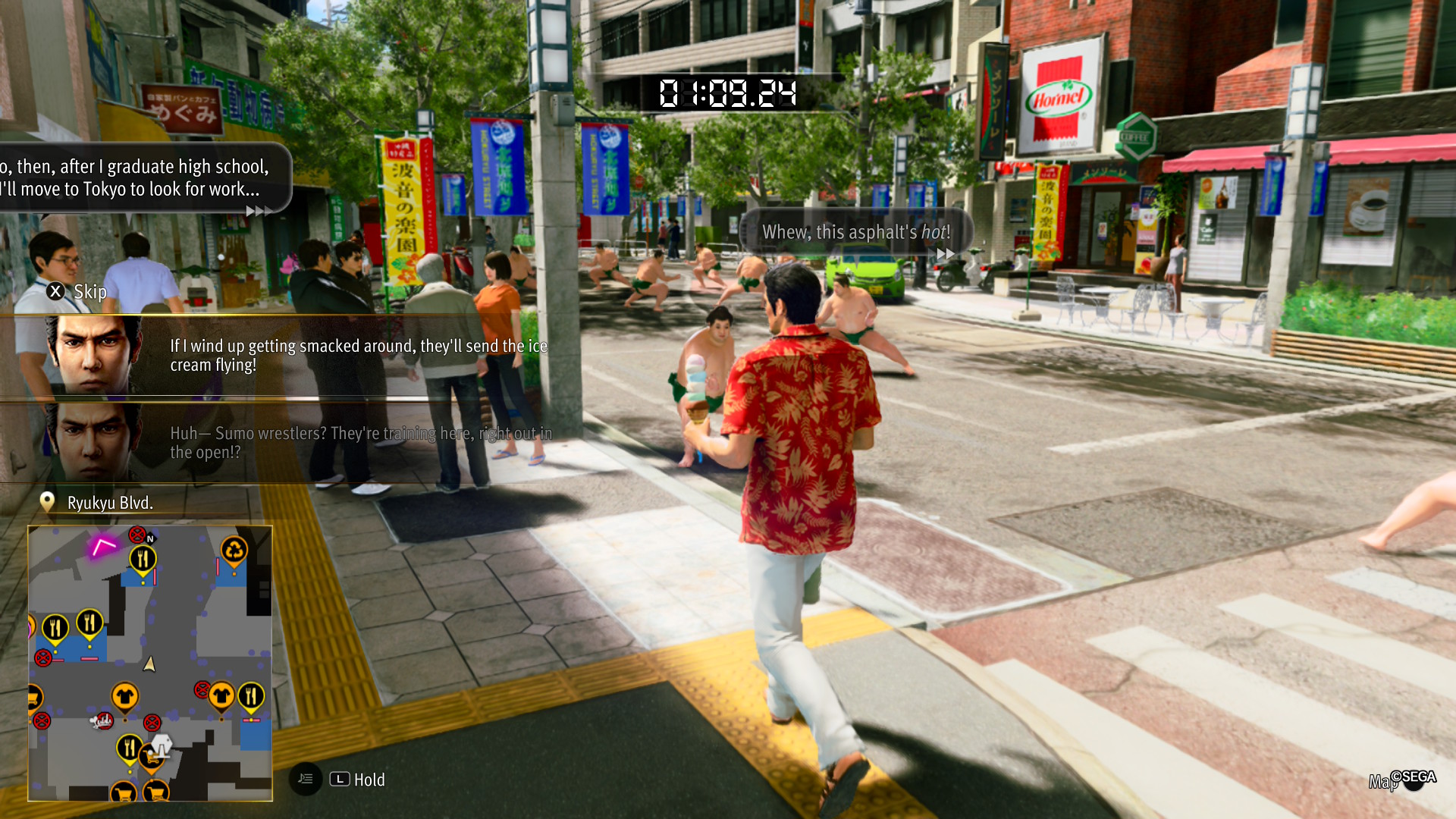
Here, they all have a storyline and in order to see them – Kiryu has to grow a strong bond with each and every one of them. To do this, he has to become the Ultimate Father. These goals are all achieved by all of the new side-activities Kiryu can participate in to keep things running smoothly at home. All eight kids have a heart meter, and to fill them, the Dragon of Dojima has to become a domestic powerhouse. Tasks and chores around the house he can help out in feature planting and harvesting vegetable crops, spear-fishing by the beach, sewing different items for the kids that they’ve requested, cooking meals, bug-catching in the garden, and helping the young ones with their homework. All of these tasks have minigames associated with them, including general knowledge quizzes for the homework, trying to keep the sewing thread in line with a track to reach the goal in time while watching out for curves, a Mario Party-style free for all from a top-down-like view where Kiryu takes on three of the kids to catch the most bugs in the garden with the press of a button. None of this is mandatory to finish the game, but completing these strengthens the bonds with the kids and improves Kiryu’s Daddy Rank, which can hit a cap of 10. I recommend doing this because this island life is so crucial to Kiryu’s development as a character and his arc over the course of the series, but if players don’t care about the story too much, it also hails quite hefty monetary rewards. There’s an ongoing sub-storyline where Kiryu tries to expand on his limited dinner recipes to give the kids their dream dishes, all of which he puts his own spin on by shoving the word “dragon” in front of it, like Dragon Sushi, Dragon Champloo and Dragon Curry. Completing these dishes fills the heart meter for every kid at once so be sure to get those cooking ingredients.
Kiryu has a second side-story called Bad Boy Dragon, focused on him joining a ladies’ motorcycle gang in Okinawa who are fighting the good fight against the Tokyo Terrors and other Okinawan outfits. Kiryu goes out recruiting new members across the new Ryukyu map as well as good old Kamurocho, who all join up under his guidance. Gameplay involves two modes; one Dynasty Warriors style of gameplay where Kiryu and the gals try to take control of different bases on the map, ending on a charge at the general and his army in a big brawl between both sparring gangs. The other mode is just the big scrap between your gang and the opposition team. Victories here, as well as getting new recruits, buying weapons and pumping money into your gang’s motorcycles, outfits and weapons improves the gang’s notoriety, or street cred, which also has a cap at level 1o. A useful guide in the menu gives hints to where the missing potential gang recruits are around, so if you feel you’re underpowered after losing a fight with a rival gang, go back out and try to recruit more people, or participate in more fights, as members level up every time they wage war. There are a few extra strong gang recruits hidden as rewards behind minigames and substories, so be sure to keep an eye out!
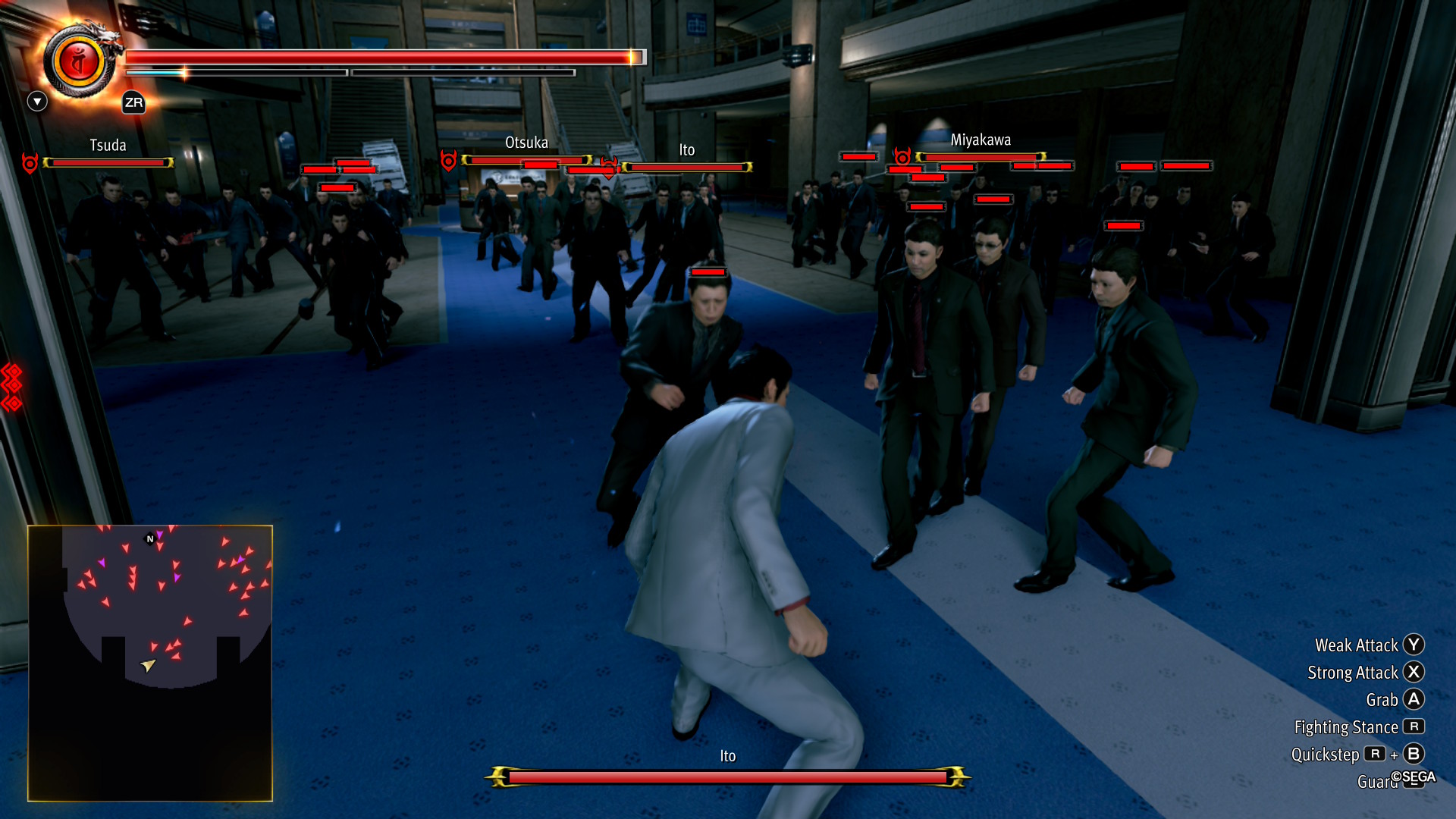
The substory count this time around is significantly smaller than the original 3, but a lot of them have a lot more depth and the majority are brand new stories. Returning stories include Kiryu’s ongoing spat with some Okinawan street-scammers trying to hustle people for money, Kazzy’s attempt at delivering ice-creams to two kids on an injured mother’s request while shifting through a street of sumo wrestlers and sports players training, and a young boy losing his red balloon and Kiryu running throughout all of Kamurocho to chase after and catch it for him. Some brand new events feature a run-in with a fortune teller who details Kiryu’s future (if you don’t want spoilers for the plots of Yakuza 5 and Yakuza 8, maybe let her be!) and his attempts to hide an adult magazine from the orphanage kids and an appearance from famous Japanese singer and television personality Akiko Wada, who Kiryu helps film some spots in Ryukyu for her TV show. There were over 100 substories in the original title – this remake just contains a few over 30, and sadly a lot of fun ones were cut. This was the case with the other two Kiwami remakes, but I feel it hurts this title a bit more because the general quality of the substories were better than the PS2 games. As it is, there’s still plenty of content to sink your teeth into, but as a returning fan I can’t help feeling a little disappointed.
Just as Kiwami 1 was built from Yakuza 0, and Kiwami 2 heavily took from Yakuza 6, Kiwami 3 is built on the foundations from the most recent titles in the series, Like A Dragon: Infinite Wealth and Like A Dragon: Pirate Yakuza in Hawaii. The game utilizes the most recent version of the Dragon Engine for its classic beat ’em up combat, with Kiryu sporting two fighting styles in this game: his usual Komaki Dragon of Dojima style of martial arts, as well as the new Ryukyu style. A lot of moves that are usually upgrades for Kiryu, like double finishers, quickstep counter attacks and charged attacks are built into his base abilities for his classic style, offering a more fluid experience right from the get-go without him feeling quite stiff and limited as he did in the early game in 3 originally. His new style is very fun, incorporating a lot of different weapon techniques that flow together to create fun combos using staffs, nunchucks and tonfas. In a lot of ways, it feels like a more complete and satisfying version of Shinada’s gameplay from Yakuza 5. The physics in the Dragon Engine allow for a lot longer combos and it can be really satisfying to juggle enemies in the air with a long string of light and heavy attacks. Enemies have some new tricks from the RPG Yakuza titles in this game, like inflicting status ailments such as bleed and stun, as well as restoring their own health bars and countering, so don’t underestimate them. Kiryu has a skill tree as usual to boost his health and HEAT meter, as well as learn new abilities for both his fighting styles. They are earned through both buying outright with cash, as well as with points earned from completing quests and playing minigames. I highly recommend completing the Morning Glory side missions, both for the narrative emotional depth, and because it gives access to massive funds to buy more moves for Kiryu. The skill tree gets quite expensive the more abilities you gain. The new Ryukyu map is really nice to look at it, and has been expanded a little bit from the original version 3, but not to the same extent Kamurocho has been in previous titles.
The game boasts three voice casts, featuring the original Japanese voice track as well as English and Chinese dubs for Yakuza 3 for the very first time. There are quite a few subtitle options too, and there are expansive guides and quality of life changes to the overall package, including frequent autosave, being able to create your own playlists (lifted from Pirate Yakuza) to listen to a plethora of SEGA CDs players can earn in gameplay (Sonic fans, be sure to head to Mach Bowl), and a customizable cell phone, which Kiryu can cover in his own stickers and change the ringtone for. It’s a cute new addition that feels appropriate to the time period the game is set in and filled me with a sense of nostalgia for the 2000s. Time goes too fast, doesn’t it?
Kiryu isn’t the only one with a campaign here, though. New to this Kiwami title is a whole new game featuring Yoshitaka Mine as a playable character, a supporting character from 3. While this campaign is chronologically set before the events of 3, I recommend playing through 3 first as some character motivations get spoiled early in the new Dark Ties storyline.
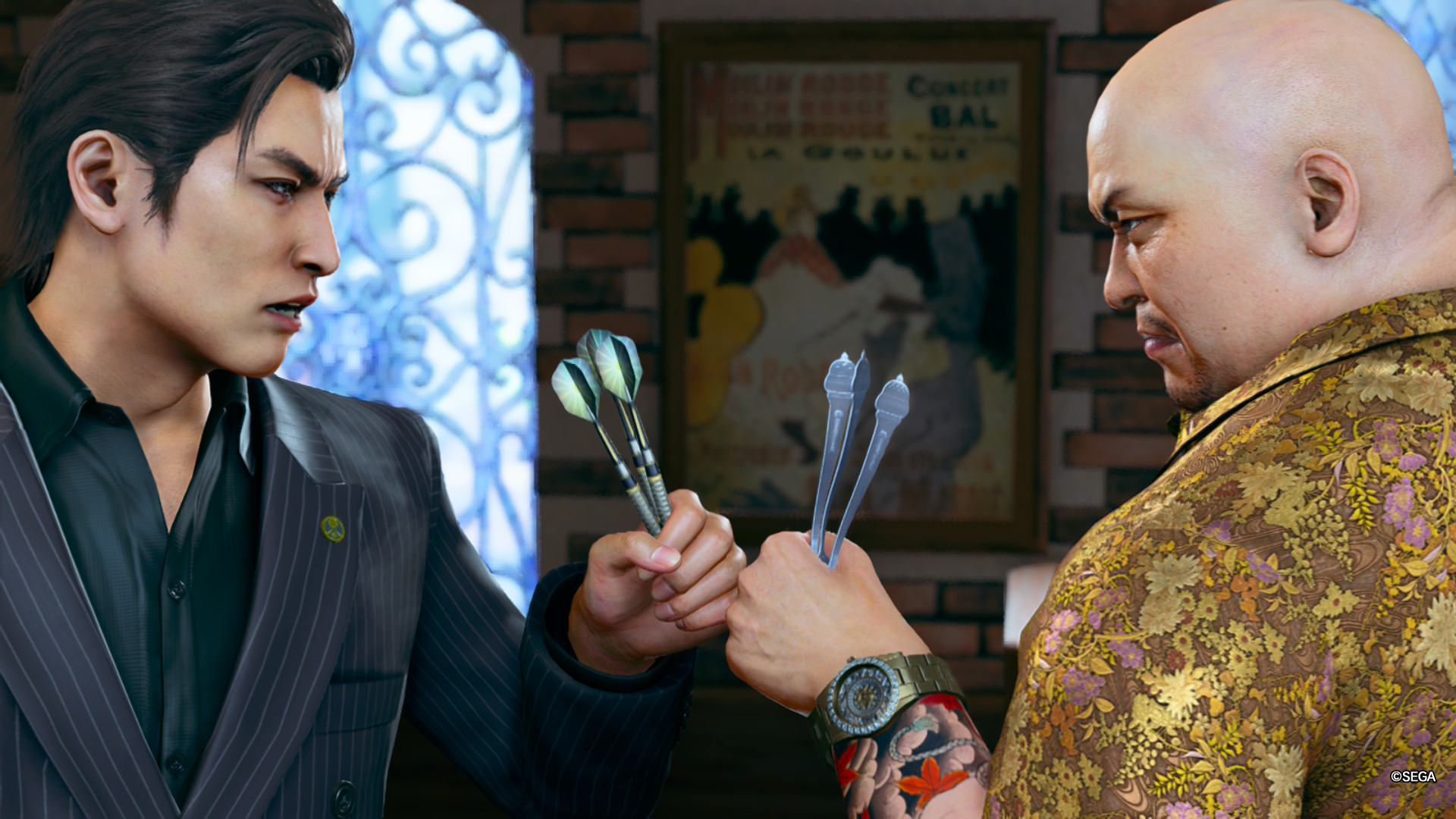
Dark Ties takes place following the events of Yakuza 2. Yoshitaka Mine has been removed from the board of a company he has founded, and feeling betrayed, drinks away his sorrows in Kamurocho. On the way home, he comes across a gang trying to take a hit out on newly minted 6th Chairman of the Tojo Clan Daigo Dojima. Though Daigo survives, several of his men throw their bodies in the way to protect him and lose their lives as a result. Seeing Daigo’s genuine devastation at the loss of his clan men, and the ease in which those men threw their lives away for his sake leads Mine to wonder how such strong human bonds could possibly be forged. Are these ties real? Do these relationships hold weight or are these human connections worthless? To find out, Mine decides he needs to join the Tojo to see it up close. Armed with bountiful funds from his company, Mine targets Tsuyoshi Kanda, a deplorable human being and Nishikiyama Family man who was imprisoned during Yakuza 2 on sexual assault charges. Mine approaches him on his release date from prison, and bribes him into allowing him join the Nishikiyama Family. Kanda brings him to the Acting Patriarch Ikari, having taken the mantle up from previous Patriarch Shindo, who Kiryu took care of during Yakuza 2. The family strapped for cash following Shindo’s infighting, they accept Mine into the family as a proven earner of large capital.
The majority of your time spent in Dark Ties will be trying to make a vile, disgusting human being like Kanda into a respected figure in the community. This is done through the Kanda Damage Control center in the Nishikiyama Family office. Here, a family member will give Mine errands and missions to run in Kanda’s name to boost his popularity amongst the Kamurocho locals. From beating up thugs to finding lost cats, helping a kid win a plush toy in the arcade to delivering a luxury sushi set, these “Helping out the Little People” missions improve Kanda’s standing both in the Tojo and the community. Traditional substories are selected in a style similar to Like A Dragon: Gaiden’s Akame Network, where they are picked from a menu and then appear on the Kamurocho map. Multiple can be selected at once, and they can be completed simultaneously. All of these missions earn Kanda street cred, which is gauged with a meter that fills and levels up, but also grants Mine financial rewards he can put into his skill tree to improve his abilities. He only has one fighting style, but it is drastically different to Kiryu.
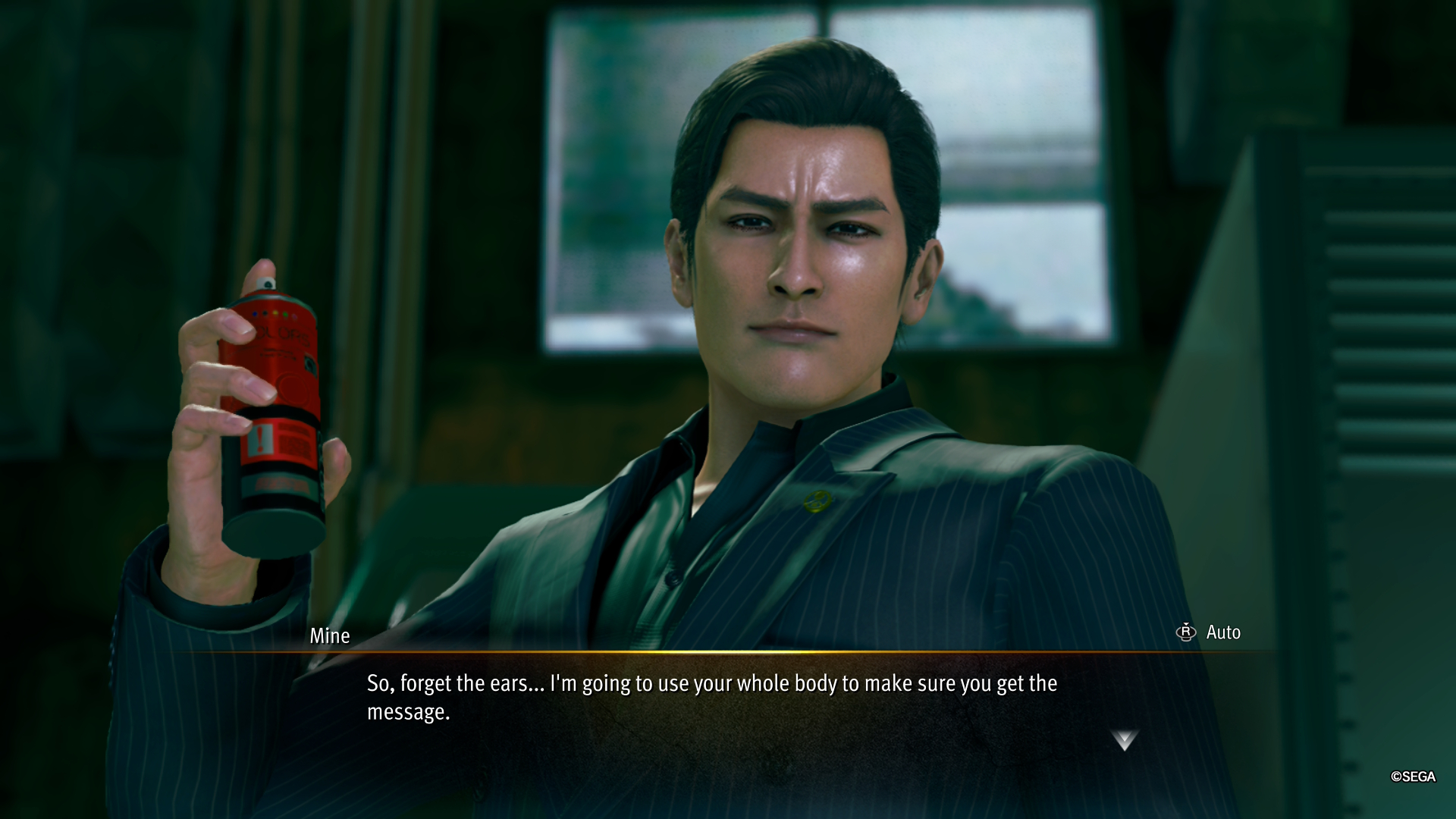
Mine utilizes a shadow boxing style of combat, favoring rapid fast punches and agile movement. He can jump on and off enemies to leap above them or to strike another enemy in proximity, as well as put distance away from himself and those he’s scrapping with. Mine has access to heat actions, but cannot pick up and use weapons in the environment as Kiryu would do. There is one special trick Mine has up his sleeve he can unleash in combat, and that’s his Dark Awakening. After filling up his Shackled Hearts displayed under his heat meter, Mine unleashes more vicious and ruthless combos with rapid and heavy strikes that deal massive damage. This state lasts as long as it takes for his hearts to drain, but this can be upgraded. Mine has one major side story involving Hell’s Arena, a hidden underground bloodsport not unlike Squid Game where participants attempt to complete dungeons without getting murdered for financial rewards. Mine takes the fight to the tournament organizers as he progresses, earning more money as he defeats more masked villains.
Ultimately, the more good you do, the more credit Kanda gets and that deepens your bond with him. This triggers Bro Time events where Mine and Kanda share voiced conversations together at a soapland. This campaign overall is quite hefty, but perhaps isn’t as meaty as Kiwami 3. When it was announced, I was expecting something akin to Kiwami 2’s short Majima Saga which was three chapters, but this is much bigger and more satisfying than that. Length-wise I would say it’s in a middle spot between Lost Judgement’s Kaito Files DLC campaign and Like A Dragon: Gaiden in length and depth of content.

The biggest compliment I can pay Kiwami 3 is that it is a stellar, fun video game with a rich story and fun gameplay. There are over 50 hours of gameplay between the two campaigns and is incredible value. However, what made the previous Kiwami remakes special was that they were definitive versions of their games. After their releases, there is very little reason to go back and play the PS2 versions of the first two Yakuza titles. The same can’t be said here; there is merit in going back to playing the original Yakuza 3. There are a dozen brilliant substories that didn’t make the cut, some creative differences that I personally preferred in their original incarnation such as the depiction of new character Rikiya, and some questionable voice actor changes. This is still a must-get f0r Yakuza fans and improves in a lot of areas where the original was weak, especially gameplay, but unfortunately a few things were lost along the way. A criticism I had early on playing the game was regarding some awkward graphical issues, but those have already been patched out by RGG and the game now looks as good as it feels to play. Even if there’s a few things I wish the game had, ultimately what it lacks in it makes up for with tons of heart and a heap of dragon-like fire. Here’s hoping there’s more Yakuza adventures on Nintendo Switch 2 to come.
Yakuza Kiwami 3 & Dark Ties copy provided by the publisher for the purposes of this review.


