
Looking back on and celebrating Super Smash Bros. for Wii U 11 years later
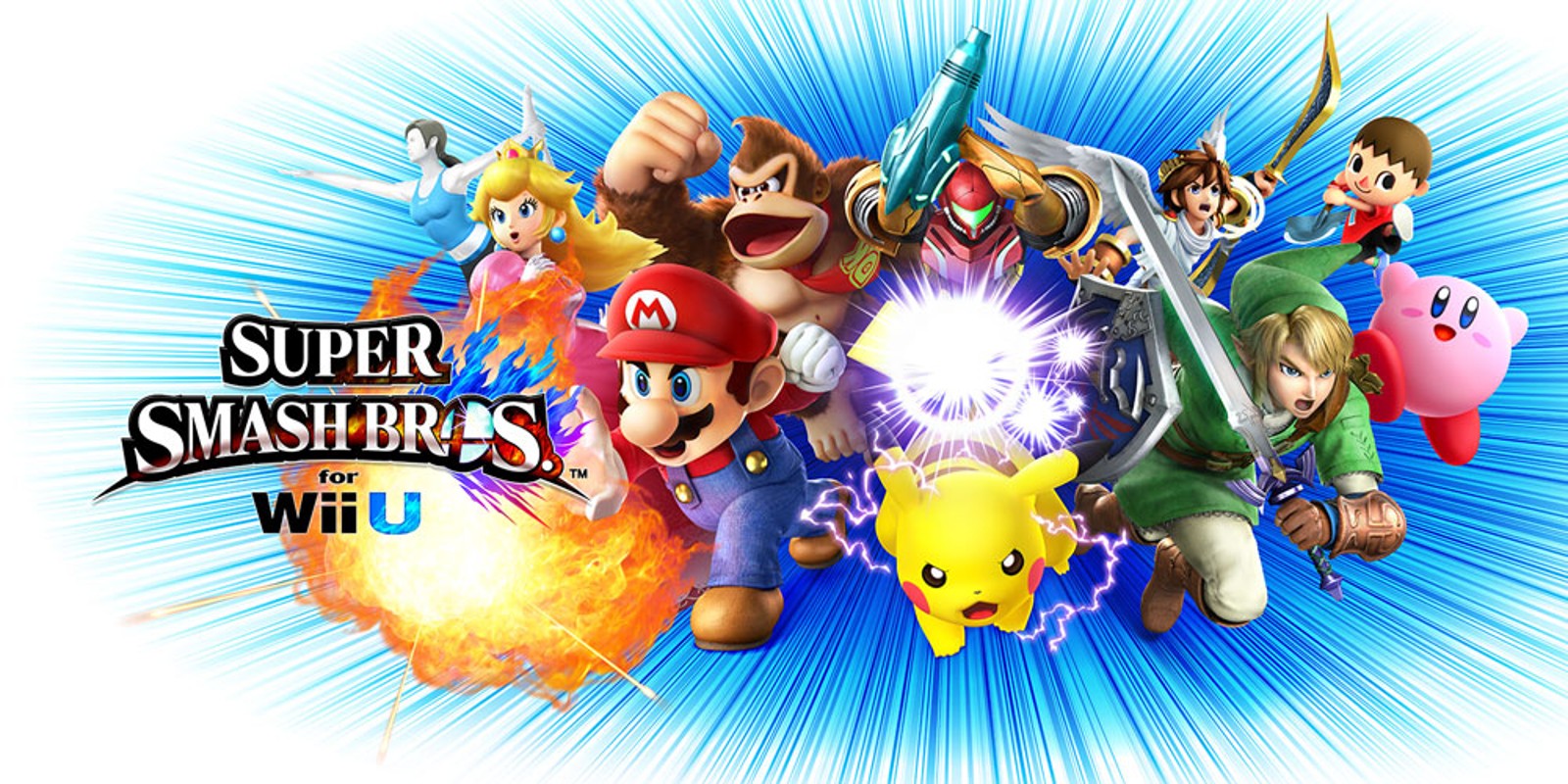
Super Smash Bros. for Wii U recently celebrated its 11th anniversary on November 21, 2025. Along with the game itself released the first-ever wave of amiibo figures, which included twelve new characters priced at $12.99 each. If you look at lists or rankings of the best Super Smash Bros. games, Wii U is almost always near or at the bottom – in other words, it’s often regarded as the “worst” entry in the series. Which isn’t saying much, because each Smash Bros. game is great in its own way, which is a testament to how well they’re made. So today, we’re focusing on Super Smash Bros. for Wii U and celebrating its anniversary by discussing what it did right and what it did wrong, eleven years later.
The most important aspect of the Super Smash Bros. series is its gameplay, so that’s where we’ll be starting today. The game’s predecessor, Super Smash Bros. Brawl, was often criticized in that department, and for many reasons. You had random tripping, a generally slow pace, and Meta Knight steamrolling tournaments. And while Brawl is often considered somewhat poor in a competitive setting, it has a ton of content, including the most fleshed-out story mode in the series plus boss battles, events, Target Smash, the first-ever (and barely functional) online mode in the franchise’s history, and much more. So even though Brawl wasn’t considered the best in a competitive sense, it’s still thought of as a good Smash game for casual players. Super Smash Bros. for Wii U addressed many of these issues: random tripping was removed, the pace was increased, and Meta Knight was drastically nerfed. That’s not to say that no character dominated competitive tournaments, but at least it wasn’t Meta Knight this time?
Compared to Brawl, Super Smash Bros. for Wii U is much faster. Characters run faster, fall faster, and in some cases, even recover better as many up specials have been buffed. There are tons of additional, smaller changes here – but generally, the gameplay has been much improved. That being said, if you play Super Smash Bros. for Wii U right after a round of Super Smash Bros. Ultimate, it’s not going to feel good at all. In Ultimate, characters can zip left and right immediately. In Wii U, characters usually have to perform a clunky turnaround animation before they can change direction, which makes the gameplay feel much slower. Ultimate’s pace is even faster, and to be honest, Super Smash Bros. for Wii U’s gameplay doesn’t even hold a candle to it. It’s no comparison – Wii U feels incredibly clunky and dated compared to Ultimate. That’s a theme we’ll be touching on multiple times here – part of why Super Smash Bros. for Wii U is considered the “least best” Smash is because everything it has is outdone by Ultimate. Super Smash Bros. for Nintendo 3DS at least has Smash Run, which is why it’s not in the conversation here.
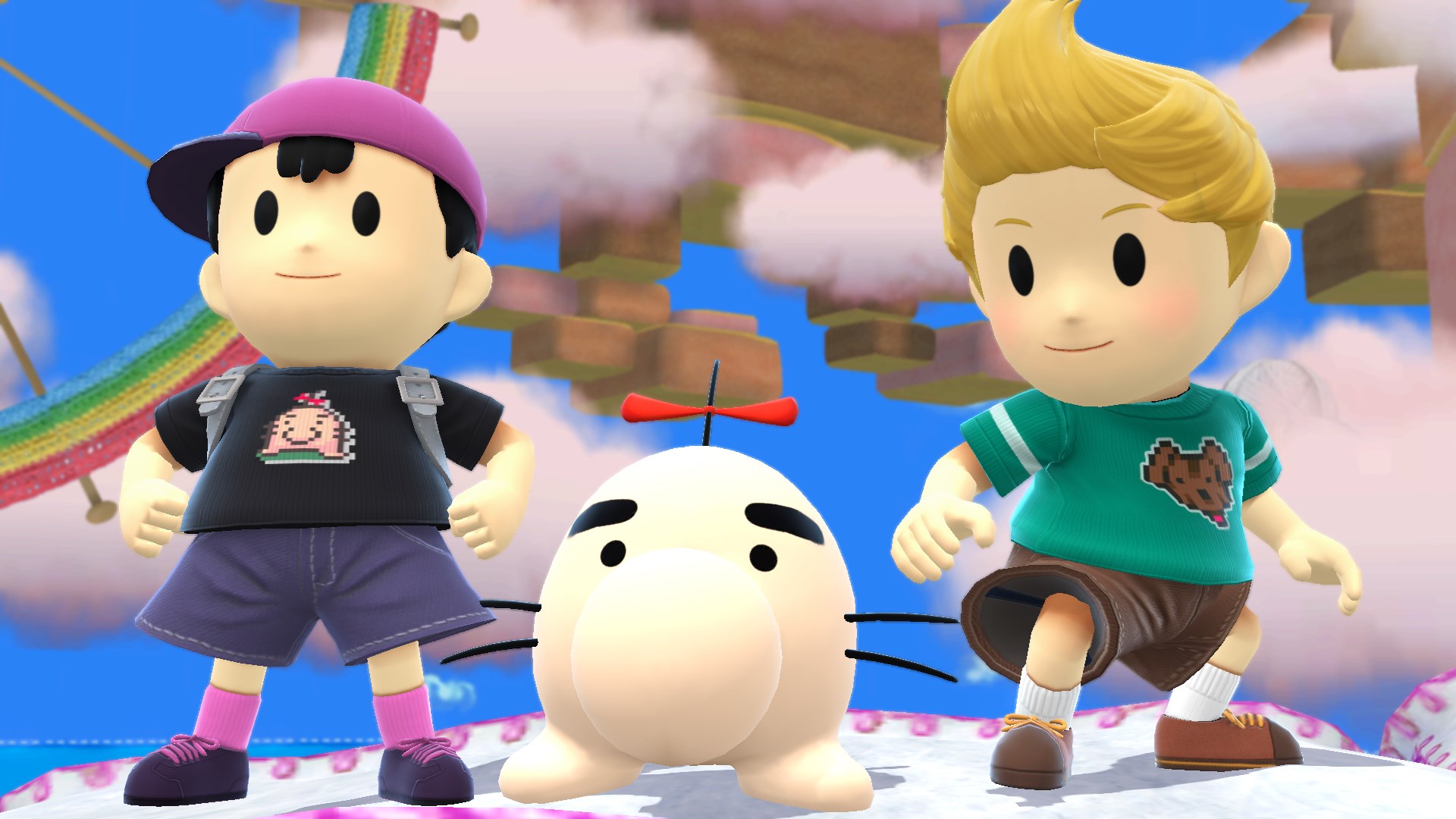
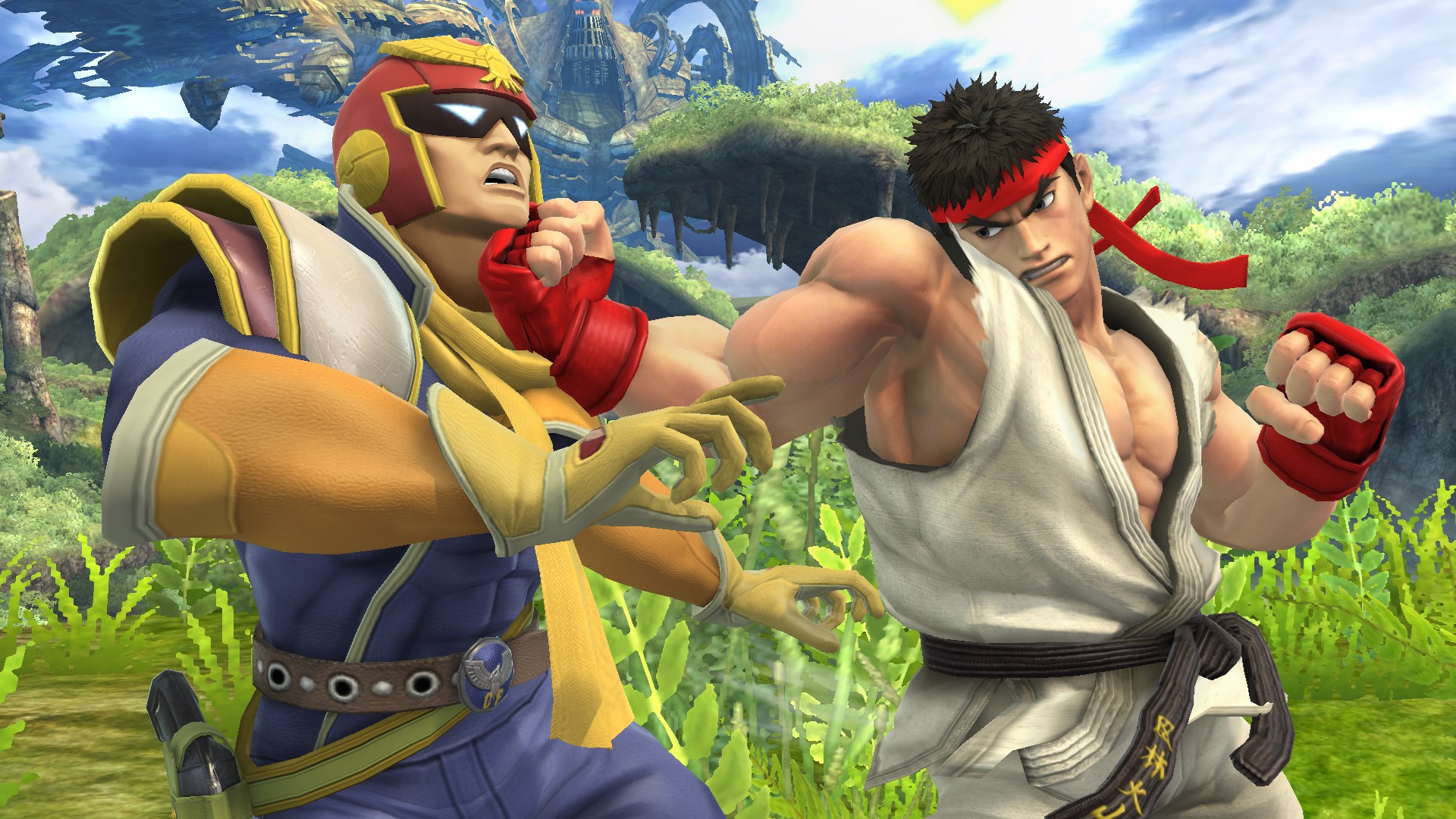
One thing Super Smash Bros. for Wii U does brilliantly, however, is its roster. While it doesn’t have the “Everyone is Here!” theme that Ultimate has, it’s still got plenty of characters and some excellent newcomers. Villager, Mega Man, Pac-Man, Little Mac, and Bowser Jr. all feel like they should’ve been in Smash all along, whereas newer characters like Shulk, Robin, Rosalina, and Palutena fit right in as well. The game did wind up receiving DLC in the form of Mewtwo, Lucas, Roy, Ryu, Cloud, Corrin, and Bayonetta. And even though Wii U nerfed Meta Knight, Bayonetta soon rose to become the most infamous character in the game – dominating competitive tournaments on a very similar scale, even after she was nerfed via updates. Still, Super Smash Bros. for Wii U has an excellent character roster, with a big variety of veterans and newcomers alike.
Super Smash Bros. for Wii U’s stage list doesn’t compare to Ultimate’s, of course, but it’s still got a good selection. Battlefield and Final Destination both look great, though the latter gets incredibly bright during some sections of the background. There are plenty of memorable new stages, like Mario Galaxy, Woolly World (which didn’t return in Ultimate), Garden of Hope, Gaur Plain, Boxing Ring, and Wuhu Island. And if their base layouts aren’t your favorite, you can turn them into Omega-form stages so that they’re flat stages with no hazards – this was a huge improvement. That said, not all of the stages are hits. Umbra Clock Tower, while a cool concept, shakes like crazy, which can cause some visual problems for some players. More importantly, however, this game introduced Pac-Land, which many agree is one of the worst stages in Smash history (if not the worst one outright). Not only is it not fun to play on, but it looks awful. The graphics are directly from the original Pac-Land, which looks fine for its time, but looks horribly out of place alongside fully 3D-modeled characters. If Pac-Land had to be the Pac-Man stage, it would’ve been better to remodel everything for a more modern look – or they could’ve just ported the Pac-Maze stage from Super Smash Bros. for Nintendo 3DS, which is much more fitting for Pac-Man as a character.
Where Super Smash Bros. for Wii U really begins to falter, however, is its mode selection. You do have your typical Versus Mode, Special Smash, Classic Mode, and All-Star Mode – but that’s really about it. Super Smash Bros. Ultimate has World of Light, which isn’t perfect, but is at least significant single-player content other than Classic Mode. Likewise, Brawl has Subspace Emissary, and Melee has Adventure Mode. Wii U has no replacement for these modes, which means its single-player content is pretty much limited to Classic Mode, All-Star Mode, Special Orders, and Event Matches – which are present in every other Smash game. Wii U’s only exclusive mode is Smash Tour, which is widely disliked among most players, at the very least in comparison to the 3DS version’s Smash Run. Smash Tour is extremely chaotic and unpredictable, and it’s often very difficult to tell what’s going on. I could try to describe this mode further, but let’s be real: most players, myself included, only played this mode for about ten minutes before losing interest. Maybe I missed out on something cool, but during my 3,000 hours of Super Smash Bros. for Wii U Smash Tour never held my attention.
Though Super Smash Bros. for Wii U was good for its time, it’s difficult to go back to if you’ve played Super Smash Bros. Ultimate recently. Wii U was presumably used as a base for the new game, and as a result Ultimate improves on just about everything it had to offer. It makes sense, then, that Wii U’s existence was important at least as a stepping stone to something even better. Super Smash Bros. for Wii U currently has a 92 on Metacritic, which shows that even with its flaws, the game was very much loved when it first released.
What memories do you have with Super Smash Bros. for Wii U? Will you ever revisit it, or has Ultimate filled that gap forever? Feel free to let us know in the comments down below.


